


language
Maximizing Efficiency with a Cylindrical Roller Grinding Machine: Unleashing Precision in Manufacturing
Maximizing Efficiency with a Cylindrical Roller Grinding Machine
Table of Contents
1. Introduction to Cylindrical Roller Grinding Machines
2. Understanding the Technology Behind Cylindrical Roller Grinding
3. Benefits of Using a Cylindrical Roller Grinding Machine
4. Key Applications in Manufacturing
5. Strategies for Maximizing Efficiency
6. Maintenance Best Practices for
Maximizing Efficiency with a Cylindrical Roller Grinding Machine
Table of Contents
- 1. Introduction to Cylindrical Roller Grinding Machines
- 2. Understanding the Technology Behind Cylindrical Roller Grinding
- 3. Benefits of Using a Cylindrical Roller Grinding Machine
- 4. Key Applications in Manufacturing
- 5. Strategies for Maximizing Efficiency
- 6. Maintenance Best Practices for Longevity and Performance
- 7. Real-World Case Studies: Success Stories
- 8. Future Trends in Cylindrical Roller Grinding Technology
- 9. Frequently Asked Questions (FAQs)
- 10. Conclusion
1. Introduction to Cylindrical Roller Grinding Machines
Cylindrical roller grinding machines are pivotal in modern manufacturing, enabling the production of high-precision cylindrical components essential for various industries. These machines utilize advanced grinding technologies to achieve superior surface finishes and tight tolerances, making them indispensable for companies aiming to enhance their production efficiency.
The significance of cylindrical roller grinding cannot be understated; they play a vital role in the manufacturing of components such as bearings, shafts, and gears, all of which require meticulous attention to detail and accuracy.
2. Understanding the Technology Behind Cylindrical Roller Grinding
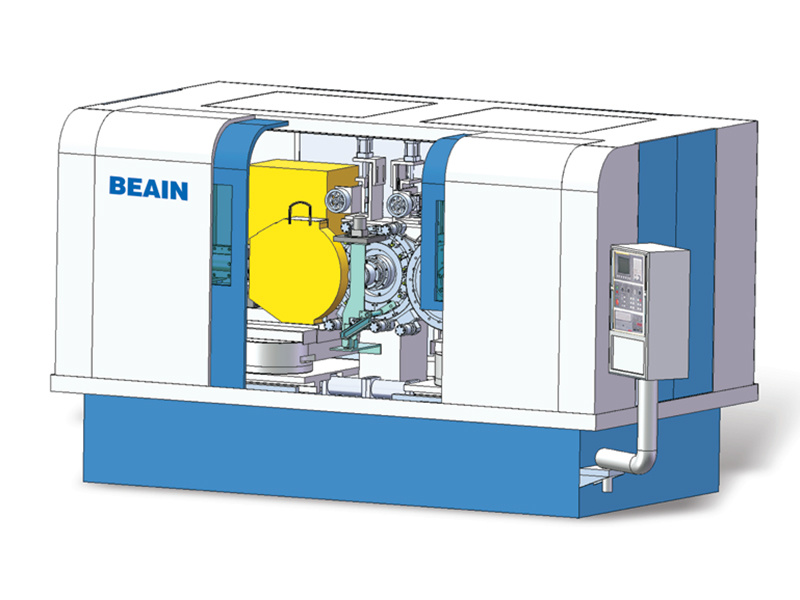
Cylindrical roller grinding machines operate through a precision grinding process that involves rotating a cylindrical workpiece against a grinding wheel. This process not only reduces the diameter of the workpiece but also enhances its surface finish.
Key Components of the Machine
- **Grinding Wheel**: The heart of the grinding process, designed to cut and shape the material efficiently.
- **Workpiece Holder**: Secures the workpiece to ensure stability during grinding.
- **Control System**: Modern machines are equipped with CNC (Computer Numerical Control) systems that enable precise control over grinding parameters.
Types of Cylindrical Roller Grinding Machines
- **Plain Cylindrical Grinders**: Ideal for simple cylindrical shapes.
- **Universal Cylindrical Grinders**: Versatile machines capable of handling various shapes and sizes.
- **CNC Cylindrical Grinders**: Offer automated precision for complex geometries and higher production rates.
3. Benefits of Using a Cylindrical Roller Grinding Machine
The use of cylindrical roller grinding machines presents numerous advantages that enhance manufacturing processes:
Enhanced Precision
These machines provide high levels of accuracy, ensuring that components meet stringent specifications. This precision is critical in applications where even the minutest deviation can lead to product failure.
Improved Surface Finish
Cylindrical roller grinding machines produce superior surface finishes, which are essential for parts that require smooth functionality, such as bearings and shafts.
Increased Production Efficiency
With the ability to perform multiple operations in a single setup, these machines reduce setup times and increase overall production efficiency.
Cost-Effectiveness
Investing in cylindrical roller grinding technology can lead to significant cost savings by reducing material waste and minimizing the need for secondary operations.
4. Key Applications in Manufacturing
Cylindrical roller grinding machines are utilized in various applications, including:
- **Automotive Components**: Critical for the production of precision parts like camshafts and crankshafts.
- **Aerospace Industry**: Essential for creating highly precise parts that adhere to strict safety standards.
- **Industrial Machinery**: Used in the manufacture of gears, bearings, and other crucial components.
5. Strategies for Maximizing Efficiency
To fully leverage the capabilities of cylindrical roller grinding machines, consider implementing the following strategies:
Regular Training and Skill Development
Ensuring that your operators are well-trained in machine operation and maintenance can lead to more efficient workflows and higher-quality outputs.
Optimizing Machine Settings
Fine-tuning parameters such as grinding speed, feed rate, and depth of cut can significantly improve efficiency and reduce cycle times.
Utilizing Advanced Technology
Incorporating automation and CNC systems can enhance precision and productivity, allowing for unattended operation and reduced labor costs.
Implementing Lean Manufacturing Principles
Adopting lean practices can help identify and eliminate waste in your processes, leading to more efficient operations.
6. Maintenance Best Practices for Longevity and Performance
Proper maintenance is essential to ensure the smooth operation and longevity of cylindrical roller grinding machines.
Routine Inspections
Regularly inspect the machine for wear and tear, focusing on the grinding wheel and workpiece holder.
Lubrication and Cleaning
Keep the machine lubricated as per the manufacturer’s recommendations and regularly clean the work area to prevent debris buildup.
Software Updates
Ensure your CNC software is up to date to take advantage of the latest features and improvements.
7. Real-World Case Studies: Success Stories
Several manufacturing companies have successfully implemented cylindrical roller grinding machines to improve their processes dramatically.
Case Study 1: Automotive Component Manufacturer
An automotive manufacturer utilized cylindrical roller grinding technology to streamline its production line, leading to a 30% increase in output and a reduction in scrap rates.
Case Study 2: Aerospace Parts Supplier
A supplier in the aerospace sector adopted advanced cylindrical grinding techniques, achieving tighter tolerances and significantly enhancing product quality, which led to increased customer satisfaction.
8. Future Trends in Cylindrical Roller Grinding Technology
The future of cylindrical roller grinding is promising, with advancements in technology driving innovation in the field.
Automation and AI Integration
The incorporation of artificial intelligence and automation is expected to revolutionize the industry, enhancing decision-making processes and optimizing machine performance.
Sustainability Initiatives
Manufacturers are increasingly focusing on sustainable practices, leading to the development of more energy-efficient and eco-friendly grinding machines.
9. Frequently Asked Questions (FAQs)
What is a cylindrical roller grinding machine?
A cylindrical roller grinding machine is a specialized tool used to grind cylindrical workpieces, ensuring precision and a superior surface finish.
How does a cylindrical roller grinding machine improve efficiency?
By reducing cycle times, enhancing surface finishes, and minimizing material waste, these machines help streamline manufacturing processes.
What industries benefit from cylindrical roller grinding machines?
Industries such as automotive, aerospace, and industrial machinery heavily rely on these machines for precision component production.
How can I maintain my cylindrical roller grinding machine?
Regular inspections, proper lubrication, and cleaning are essential practices to keep your machine performing optimally.
What are the latest trends in cylindrical roller grinding technology?
Current trends include advancements in automation, AI integration, and a growing focus on sustainability within manufacturing processes.
10. Conclusion
Maximizing efficiency with a cylindrical roller grinding machine is a multifaceted endeavor that involves understanding the technology, embracing best practices, and integrating innovative strategies. By investing in these advanced machines and adhering to maintenance protocols, manufacturers can significantly enhance their production capabilities, leading to increased profitability and market competitiveness. As the industry continues to evolve, staying abreast of technological advancements will be crucial in maintaining a leading edge within the manufacturing sector.
Quick Quote
Would you like to know more about our products? Please fill out the form.
Alternatively,you can send us a detailed list of requirements and we will get back to you within 1 working day.

Phone/WhatsApp:
+49 15902235283 / Mr. li
Email:
BEAIN adheres to the core value concept of the brand, and is committed to creating the "best supplier of bearing manufacturing equipment and technical solutions" by continuously improving independent innovation capabilities and enhancing brand awareness.
