


language
Unlocking Precision: The Role of CNC Plunge Grinding Machines in Modern Manufacturing
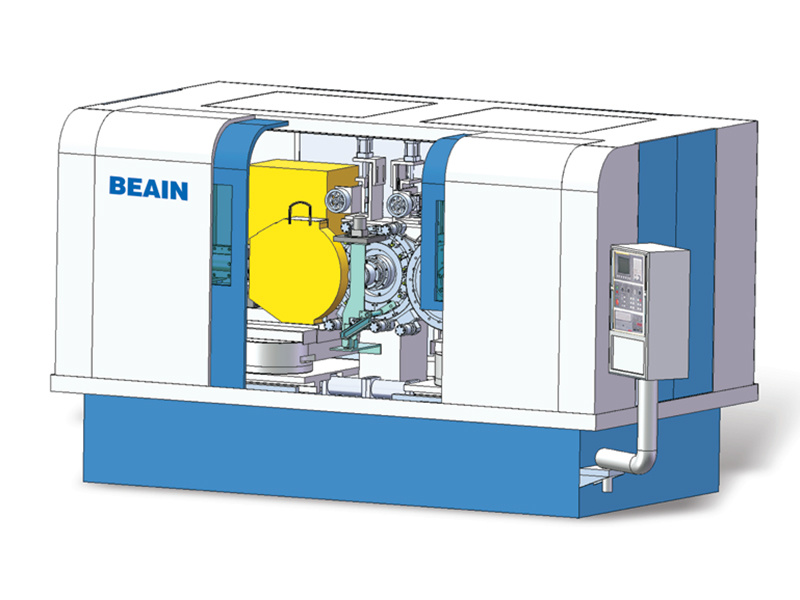
In the realm of manufacturing and machining, precision is paramount. One of the essential tools that facilitate high-accuracy surface finishes is the CNC plunge grinding machine. This specialized equipment plays a crucial role in shaping and finishing components, making it a staple in diverse industrial applications.
CNC, or Computer Numerical Control, signifies that these machines operate through
In the realm of manufacturing and machining, precision is paramount. One of the essential tools that facilitate high-accuracy surface finishes is the CNC plunge grinding machine. This specialized equipment plays a crucial role in shaping and finishing components, making it a staple in diverse industrial applications.
CNC, or Computer Numerical Control, signifies that these machines operate through programmed commands, allowing for unparalleled accuracy and repeatability in the grinding process. Unlike traditional grinding methods, which can be labor-intensive and prone to human error, CNC plunge grinding machines automate the grinding of complex shapes and intricate details, significantly enhancing productivity and reducing cycle times.
The fundamental process of plunge grinding involves a rotating grinding wheel that penetrates into the workpiece to remove material. This method is particularly effective for creating flat surfaces, stepped features, and precise contours on materials ranging from metals to ceramics. The CNC aspect allows operators to input detailed specifications directly into the machine's software, ensuring that each finished product meets exacting standards.
One of the standout benefits of CNC plunge grinding machines is their ability to handle large production volumes with consistent quality. This capability is crucial for industries such as automotive, aerospace, and medical device manufacturing, where precision components are essential. For instance, in the automotive industry, these machines are often used to grind engine components, ensuring optimal performance and reliability.
Moreover, modern CNC plunge grinding machines are equipped with advanced features, such as in-process gauging and adaptive controls, which further enhance their efficiency. These technologies allow for real-time monitoring and adjustments, reducing the likelihood of defects and waste. As a result, manufacturers can achieve higher yield rates and lower overall production costs.
Training and operator skill are also vital factors in maximizing the potential of CNC plunge grinding machines. While the technology handles complex tasks, operators must possess a solid understanding of machining principles and programming techniques. This expertise ensures that the machine operates correctly and efficiently, leading to high-quality outputs.
In conclusion, CNC plunge grinding machines are indispensable tools in the manufacturing landscape. Their ability to deliver precise, repeatable results makes them ideal for a wide range of applications. As industries continue to evolve, the role of CNC machines will only grow, driving innovation and efficiency in the machining process. Understanding the capabilities and advantages of these machines can empower manufacturers to stay competitive in a rapidly changing market.
CNC, or Computer Numerical Control, signifies that these machines operate through programmed commands, allowing for unparalleled accuracy and repeatability in the grinding process. Unlike traditional grinding methods, which can be labor-intensive and prone to human error, CNC plunge grinding machines automate the grinding of complex shapes and intricate details, significantly enhancing productivity and reducing cycle times.
The fundamental process of plunge grinding involves a rotating grinding wheel that penetrates into the workpiece to remove material. This method is particularly effective for creating flat surfaces, stepped features, and precise contours on materials ranging from metals to ceramics. The CNC aspect allows operators to input detailed specifications directly into the machine's software, ensuring that each finished product meets exacting standards.
One of the standout benefits of CNC plunge grinding machines is their ability to handle large production volumes with consistent quality. This capability is crucial for industries such as automotive, aerospace, and medical device manufacturing, where precision components are essential. For instance, in the automotive industry, these machines are often used to grind engine components, ensuring optimal performance and reliability.
Moreover, modern CNC plunge grinding machines are equipped with advanced features, such as in-process gauging and adaptive controls, which further enhance their efficiency. These technologies allow for real-time monitoring and adjustments, reducing the likelihood of defects and waste. As a result, manufacturers can achieve higher yield rates and lower overall production costs.
Training and operator skill are also vital factors in maximizing the potential of CNC plunge grinding machines. While the technology handles complex tasks, operators must possess a solid understanding of machining principles and programming techniques. This expertise ensures that the machine operates correctly and efficiently, leading to high-quality outputs.
In conclusion, CNC plunge grinding machines are indispensable tools in the manufacturing landscape. Their ability to deliver precise, repeatable results makes them ideal for a wide range of applications. As industries continue to evolve, the role of CNC machines will only grow, driving innovation and efficiency in the machining process. Understanding the capabilities and advantages of these machines can empower manufacturers to stay competitive in a rapidly changing market.
Quick Quote
Would you like to know more about our products? Please fill out the form.
Alternatively,you can send us a detailed list of requirements and we will get back to you within 1 working day.

Phone/WhatsApp:
+49 15902235283 / Mr. li
Email:
BEAIN adheres to the core value concept of the brand, and is committed to creating the "best supplier of bearing manufacturing equipment and technical solutions" by continuously improving independent innovation capabilities and enhancing brand awareness.
