


language
How CNC Plunge Grinding Machines Revolutionize Precision Engineering
How CNC Plunge Grinding Machines Revolutionize Precision Engineering
Table of Contents
1. Introduction to CNC Plunge Grinding Machines
2. Mechanics of CNC Plunge Grinding
3. Advantages of Using CNC Plunge Grinding Machines
4. Applications in Precision Engineering
5. Technological Advancements in CNC Grinding
6. Challenges and Solutions in CNC Grinding
7. The Future of
How CNC Plunge Grinding Machines Revolutionize Precision Engineering
Table of Contents
- 1. Introduction to CNC Plunge Grinding Machines
- 2. Mechanics of CNC Plunge Grinding
- 3. Advantages of Using CNC Plunge Grinding Machines
- 4. Applications in Precision Engineering
- 5. Technological Advancements in CNC Grinding
- 6. Challenges and Solutions in CNC Grinding
- 7. The Future of CNC Plunge Grinding Machines
- 8. Conclusion
- 9. Frequently Asked Questions
1. Introduction to CNC Plunge Grinding Machines
CNC plunge grinding machines have emerged as a pivotal technology in the realm of precision engineering. These machines utilize advanced computer numerical control (CNC) systems to enhance the accuracy and efficiency of the grinding process. By automating the grinding operation, manufacturers achieve unparalleled precision, significantly reducing human error and increasing throughput. In an industry where tolerances can be minuscule, the introduction of CNC plunge grinding machines signifies a leap forward in production capabilities.
2. Mechanics of CNC Plunge Grinding
The mechanics of CNC plunge grinding machines involve a systematic process where a grinding wheel is plunged directly into the workpiece. This process is distinct from traditional grinding methods, allowing for more aggressive material removal and precise shaping of complex geometries.
2.1 Key Components
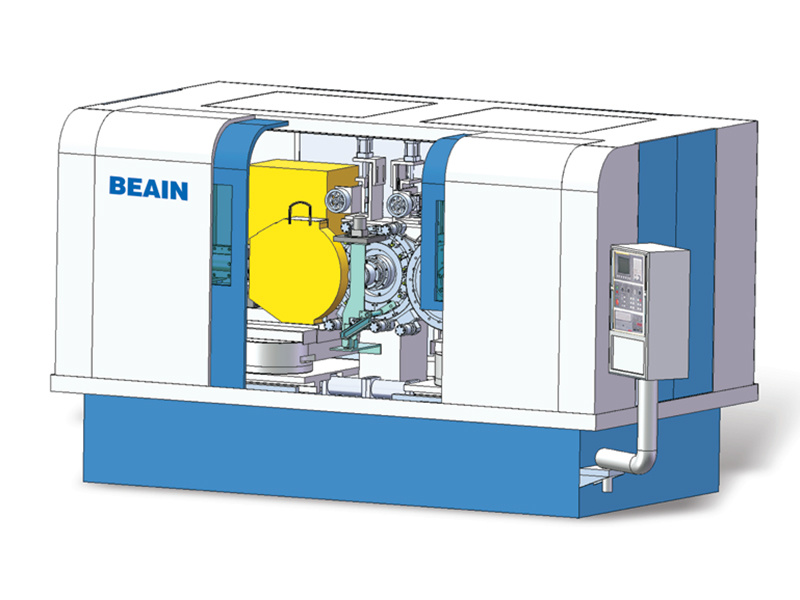
The essential components of a CNC plunge grinding machine include:
- **Grind Wheel**: The primary tool for material removal, often composed of abrasive materials.
- **Workpiece Holder**: Securely holds the part in place during grinding to maintain accuracy.
- **CNC Control Unit**: The brain of the machine, programmed to dictate the grinding path and parameters.
2.2 Operation Process
The operation begins with the CNC program input, detailing the desired specifications and grinding parameters. The system then executes the grind cycle, managing speed, pressure, and feed rate with precision. This allows for consistent quality across multiple parts, crucial in high-stakes production environments.
3. Advantages of Using CNC Plunge Grinding Machines
CNC plunge grinding machines offer numerous advantages that set them apart from conventional grinding methods.
3.1 Enhanced Precision and Accuracy
The primary benefit of CNC plunge grinding is its ability to achieve **extremely tight tolerances**, often within a few micrometers. This precision is vital for industries such as aerospace, automotive, and medical device manufacturing, where even the smallest deviation can lead to significant failures.
3.2 Increased Efficiency and Productivity
CNC systems can operate continuously, leading to faster production rates. With automated processes, manufacturers can significantly reduce cycle times and labor costs, allowing for **higher output** without compromising quality.
3.3 Flexibility in Design and Operations
CNC plunge grinding machines offer unparalleled flexibility, enabling manufacturers to grind various shapes and sizes from a single setup. This adaptability is especially beneficial in custom manufacturing, where multiple configurations may be required.
4. Applications in Precision Engineering
CNC plunge grinding machines are utilized across a broad spectrum of industries.
4.1 Aerospace Industry
In aerospace, components must meet stringent quality standards. CNC plunge grinding ensures that parts like turbine blades maintain the necessary surface finish and dimensional accuracy.
4.2 Medical Devices
Medical devices often require precision-engineered components to function correctly. CNC plunge grinding provides the accuracy needed for parts such as surgical instruments and implantable devices, ensuring patient safety.
4.3 Automotive Manufacturing
In the automotive sector, CNC plunge grinding machines are used to manufacture critical components such as gears and bearings, where precision impacts performance and durability.
5. Technological Advancements in CNC Grinding
The field of CNC plunge grinding is rapidly evolving with technological advancements.
5.1 Integration of Artificial Intelligence
AI is being integrated into CNC systems to enhance decision-making processes. By utilizing machine learning algorithms, these systems can predict maintenance needs, optimize grinding parameters, and further improve precision.
5.2 Enhanced Software Capabilities
Modern CNC systems are equipped with sophisticated software that allows for more complex part programming and simulation, reducing the risk of errors before actual grinding takes place.
6. Challenges and Solutions in CNC Grinding
Despite the advantages, CNC plunge grinding machines face several challenges.
6.1 Maintaining Consistent Quality
Even with advanced technology, maintaining consistent quality is a long-standing challenge. Regular calibration and monitoring of machines can help mitigate these issues.
6.2 High Initial Investment
The cost of acquiring CNC plunge grinding machines can be substantial. However, the long-term savings in efficiency and waste reduction often justify this investment.
7. The Future of CNC Plunge Grinding Machines
As technology advances, the future of CNC plunge grinding machines looks promising.
7.1 Growth in Automation
The trend towards automation is expected to continue, with more manufacturers adopting CNC plunge grinding to streamline processes and reduce labor dependency.
7.2 Expansion into New Markets
Emerging industries, such as renewable energy and advanced electronics, are likely to adopt CNC plunge grinding techniques, expanding the application of these machines beyond traditional sectors.
8. Conclusion
CNC plunge grinding machines are revolutionizing precision engineering by enhancing accuracy, efficiency, and flexibility. As industries continue to demand higher quality standards and faster production rates, the significance of these machines will only grow. Embracing the technology behind CNC plunge grinding is essential for manufacturers looking to thrive in an increasingly competitive market.
9. Frequently Asked Questions
9.1 What is a CNC plunge grinding machine?
A CNC plunge grinding machine is an automated tool that uses computer control to grind materials with high precision by plunging a grinding wheel directly into the workpiece.
9.2 What are the main benefits of CNC plunge grinding?
The main benefits include enhanced precision, increased efficiency, flexibility in design, and the ability to produce complex geometries.
9.3 In which industries are CNC plunge grinding machines used?
CNC plunge grinding machines are commonly used in the aerospace, medical device, and automotive manufacturing industries.
9.4 How does CNC plunge grinding differ from traditional grinding methods?
CNC plunge grinding allows for more aggressive material removal and precise shaping compared to traditional grinding methods, which often rely on manual operation.
9.5 What are the future trends in CNC plunge grinding technology?
Future trends include increased automation, the integration of artificial intelligence, and the expansion of applications into new industries.
Quick Quote
Would you like to know more about our products? Please fill out the form.
Alternatively,you can send us a detailed list of requirements and we will get back to you within 1 working day.

Phone/WhatsApp:
+49 15902235283 / Mr. li
Email:
BEAIN adheres to the core value concept of the brand, and is committed to creating the "best supplier of bearing manufacturing equipment and technical solutions" by continuously improving independent innovation capabilities and enhancing brand awareness.
