


language
CNC Centerless Grinding Machines: Enhancing Tolerance and Finish Quality for Precision Manufacturing
CNC Centerless Grinding Machines: Enhancing Tolerance and Finish Quality for Precision Manufacturing
Table of Contents
1. Introduction to CNC Centerless Grinding
2. What is Centerless Grinding?
3. Advantages of CNC Centerless Grinding Machines
3.1 Improved Tolerance
3.2 Superior Finish Quality
4. Working Principle of CNC Centerless Grinding Machines
5. Applications of CNC Centerles
CNC Centerless Grinding Machines: Enhancing Tolerance and Finish Quality for Precision Manufacturing
Table of Contents
- 1. Introduction to CNC Centerless Grinding
- 2. What is Centerless Grinding?
- 3. Advantages of CNC Centerless Grinding Machines
- 4. Working Principle of CNC Centerless Grinding Machines
- 5. Applications of CNC Centerless Grinding
- 6. Choosing the Right CNC Centerless Grinding Machine
- 7. Maintenance Tips for CNC Centerless Grinding Machines
- 8. Future Trends in CNC Centerless Grinding Technology
- 9. Frequently Asked Questions
- 10. Conclusion
1. Introduction to CNC Centerless Grinding
CNC centerless grinding machines have revolutionized the manufacturing industry by providing a highly efficient solution for precision grinding. These machines are instrumental in producing components with exceptional accuracy and surface finish, essential in industries ranging from automotive to aerospace. The ability to achieve tight tolerances and superior finishes makes CNC centerless grinding a preferred choice for manufacturers striving for excellence.
2. What is Centerless Grinding?
Centerless grinding is a method of grinding cylindrical workpieces without the need for a spindle. Instead, the workpiece is held in place by a combination of grinding wheels and a support mechanism. This process allows for continuous motion, which is ideal for high-volume production of cylindrical parts.
How It Works
In centerless grinding, the workpiece is fed through the machine between two grinding wheels: a larger wheel for grinding and a smaller regulating wheel that controls the rotation and feed rate of the workpiece. This setup eliminates the need for clamping, allowing for faster and more efficient machining.
3. Advantages of CNC Centerless Grinding Machines
CNC centerless grinding machines offer numerous advantages that contribute to their popularity in the manufacturing sector.
3.1 Improved Tolerance
One of the primary benefits of CNC centerless grinding is the ability to achieve improved tolerances. The precise control offered by CNC technology allows for minimal variations in size, ensuring that the finished product meets stringent specifications. This is crucial in industries where even the slightest deviation can lead to significant performance issues.
3.2 Superior Finish Quality
Another significant advantage is the superior finish quality that can be achieved. The grinding process not only removes material but also enhances the surface finish of the workpiece. This is vital in applications where aesthetic appearance and surface integrity are essential.
4. Working Principle of CNC Centerless Grinding Machines
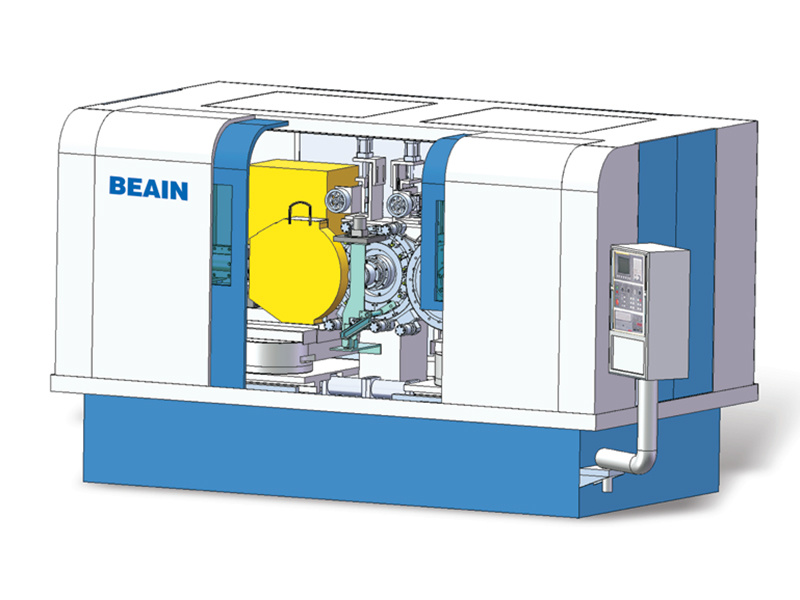
The working principle of CNC centerless grinding machines revolves around the careful coordination between the grinding wheels and the workpiece. Here’s a breakdown of the key components and their functions:
Components of CNC Centerless Grinding Machines
- Grinding Wheel: The primary wheel responsible for material removal.
- Regulating Wheel: Controls the speed and feed of the workpiece.
- Work Rest Blade: Supports the workpiece during grinding.
- CNC Controller: Provides precise control over the grinding parameters.
5. Applications of CNC Centerless Grinding
CNC centerless grinding machines are utilized across various industries due to their versatility and precision. Key applications include:
- Automotive Industry: Manufacturing components such as bearings and shafts.
- Aerospace Sector: Producing critical parts with stringent weight and tolerance requirements.
- Medical Devices: Grinding components that demand high precision and surface quality.
- Electronics Manufacturing: Creating intricate parts for electronic devices.
6. Choosing the Right CNC Centerless Grinding Machine
Selecting the appropriate CNC centerless grinding machine involves several considerations:
- Component Size: Determine the maximum length and diameter of the parts to be ground.
- Precision Requirements: Assess the tolerance and finish specifications for the intended application.
- Production Volume: Consider the expected output and choose a machine that can accommodate these needs.
- Machine Features: Look for advanced features such as automation, ease of operation, and maintenance support.
7. Maintenance Tips for CNC Centerless Grinding Machines
Regular maintenance is essential to ensure optimal performance and longevity of CNC centerless grinding machines. Here are some practical tips:
- Regular Inspection: Conduct routine checks on grinding wheels and other components for wear and tear.
- Lubrication: Ensure all moving parts are properly lubricated to reduce friction and wear.
- Calibration: Periodically calibrate the machine to maintain precision and accuracy.
- Dust Management: Implement a dust collection system to keep the work area clean and improve visibility.
8. Future Trends in CNC Centerless Grinding Technology
As technology continues to evolve, the future of CNC centerless grinding looks promising. Emerging trends include:
- Automation: Increased integration of robotics to improve efficiency and reduce human error.
- Smart Manufacturing: Utilization of IoT and data analytics for predictive maintenance and operational efficiency.
- Advanced Materials: Development of grinding machines capable of handling new materials and composites.
9. Frequently Asked Questions
What is the difference between centerless and conventional grinding?
Centerless grinding eliminates the need for a spindle, allowing for continuous processing, while conventional grinding requires the workpiece to be held in place.
How can I improve the precision of my CNC centerless grinding machine?
Regular maintenance, proper setup, and calibration are crucial for enhancing precision in centerless grinding.
What materials can be ground using CNC centerless grinding machines?
CNC centerless grinding machines can effectively grind a variety of materials, including metals like steel and aluminum, as well as certain plastics.
Is training necessary for operating CNC centerless grinding machines?
Yes, proper training is essential to ensure safe and efficient operation of CNC machines, as well as to maximize their capabilities.
How often should I perform maintenance on my CNC centerless grinding machine?
Maintenance should be conducted regularly, with frequency depending on the machine's usage and workload. A thorough inspection should be done at least once a month.
10. Conclusion
CNC centerless grinding machines play a pivotal role in the modern manufacturing landscape, offering unparalleled precision and quality in machining processes. By understanding the advantages, working principles, and maintenance requirements of these machines, manufacturers can enhance their production capabilities and ensure consistent output. As technology advances, staying informed about the latest trends and innovations will be crucial for maintaining a competitive edge. Whether in automotive, aerospace, or medical applications, CNC centerless grinding machines are essential tools for achieving superior tolerance and finish quality.
Quick Quote
Would you like to know more about our products? Please fill out the form.
Alternatively,you can send us a detailed list of requirements and we will get back to you within 1 working day.

Phone/WhatsApp:
+49 15902235283 / Mr. li
Email:
BEAIN adheres to the core value concept of the brand, and is committed to creating the "best supplier of bearing manufacturing equipment and technical solutions" by continuously improving independent innovation capabilities and enhancing brand awareness.
