


language
From Design to Production: A Comprehensive Guide to CNC Roller Grinding Machine Workflow
From Design to Production: A Comprehensive Guide to CNC Roller Grinding Machine Workflow
Table of Contents
1. Understanding CNC Roller Grinding Machines
2. The Importance of Design in CNC Machining
3. Key Components of CNC Roller Grinding Machines
4. The Design Process: From Concept to CAD
5. Material Selection for Optimal Performance
6. Preparing for Production: Setup and Calibration
7. The CNC G
From Design to Production: A Comprehensive Guide to CNC Roller Grinding Machine Workflow
Table of Contents
1. Understanding CNC Roller Grinding Machines
2. The Importance of Design in CNC Machining
3. Key Components of CNC Roller Grinding Machines
4. The Design Process: From Concept to CAD
5. Material Selection for Optimal Performance
6. Preparing for Production: Setup and Calibration
7. The CNC Grinding Process Explained
8. Quality Control Measures in CNC Manufacturing
9. Future Trends in CNC Roller Grinding Technology
10. FAQs
11. Conclusion
1. Understanding CNC Roller Grinding Machines
CNC roller grinding machines represent a pinnacle of precision engineering in the manufacturing sector. These machines utilize computer numerical control (CNC) technology to automate the grinding process, ensuring high repeatability and accuracy. With applications ranging from automotive to aerospace industries, understanding their workflow is essential for modern manufacturers.
2. The Importance of Design in CNC Machining
Design plays a critical role in CNC machining, as it directly influences the machine's efficiency, output quality, and operational costs. A well-thought-out design phase can lead to streamlined production processes and reduced waste. Additionally, incorporating advanced design techniques can enhance the functionality of the final product.
2.1 The Role of Design Software
Utilizing advanced design software such as AutoCAD or SolidWorks is pivotal in creating detailed models. These tools allow engineers to simulate the grinding process and identify potential issues before moving to production.
3. Key Components of CNC Roller Grinding Machines
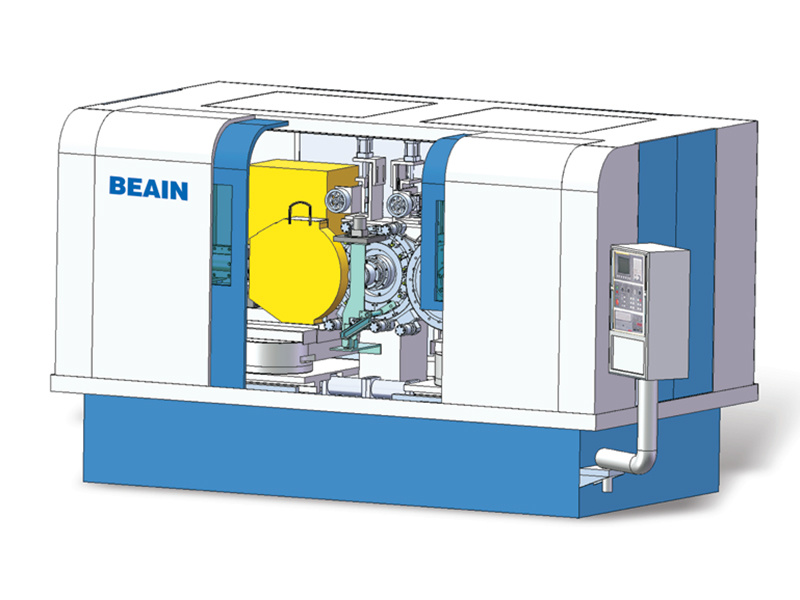
To comprehend the workflow, it is essential to be familiar with the main components of CNC roller grinding machines:
3.1 The Grinding Wheel
The grinding wheel is the heart of the machine, responsible for removing material from the workpiece. Selecting the appropriate wheel type and grit size is crucial for achieving the desired surface finish and dimensional accuracy.
3.2 The Workpiece Holder
The workpiece holder secures the material during the grinding process. Proper fixturing minimizes vibration and movement, ensuring consistent results.
3.3 The CNC Controller
The CNC controller interprets the design files and translates them into precise machine movements. This component allows for the automation of complex grinding tasks that would be challenging to perform manually.
4. The Design Process: From Concept to CAD
The journey from idea to production begins with a concept. Designers and engineers collaborate to create detailed specifications that outline the dimensions, tolerances, and material choices.
4.1 Prototyping and Testing
Before finalizing the design, creating a prototype is essential. Prototyping allows for hands-on testing and adjustments, ensuring that the design meets all functional requirements.
5. Material Selection for Optimal Performance
Choosing the right material is fundamental to the success of the CNC roller grinding process. Various materials, such as steel, aluminum, and composites, offer different advantages:
5.1 Properties of Common Materials
Understanding the mechanical properties, such as hardness and tensile strength, helps in selecting the right material for specific applications. This choice directly affects the grinding process and the longevity of the finished product.
6. Preparing for Production: Setup and Calibration
Once the design is finalized and materials selected, the next step involves setting up the CNC machine. Proper calibration is critical to ensure that the machine operates within the specified tolerances.
6.1 Setting Up the CNC Machine
This process includes installing the grinding wheel, securing the workpiece holder, and entering the machine parameters. It is vital to double-check all settings to avoid costly errors during production.
7. The CNC Grinding Process Explained
With everything set up, the CNC grinding process can begin. This automated procedure follows programmed commands to remove material from the workpiece.
7.1 Understanding the Grinding Cycle
The grinding cycle consists of several stages, including rough grinding, finish grinding, and spark-out cycles. Each stage serves a specific purpose in achieving the final dimensions and surface quality.
8. Quality Control Measures in CNC Manufacturing
Quality control is paramount in CNC machining, as it ensures that all products meet industry standards and specifications.
8.1 Inspection Techniques
Utilizing tools such as coordinate measuring machines (CMM) and optical comparators helps verify that the produced components adhere to the required tolerances. Regular audits and inspections can significantly reduce defects and enhance overall quality.
9. Future Trends in CNC Roller Grinding Technology
As technology continues to evolve, CNC roller grinding machines are becoming increasingly sophisticated. Emerging trends include:
9.1 Automation and Smart Manufacturing
The integration of IoT and AI into CNC machines is paving the way for smart manufacturing. Predictive maintenance and real-time monitoring can enhance efficiency and reduce downtime.
9.2 Sustainable Practices
With an increasing focus on sustainability, manufacturers are exploring eco-friendly materials and processes. Innovations that minimize waste and energy consumption are becoming more prevalent in CNC machining.
10. FAQs
10.1 What is the main advantage of CNC over traditional grinding methods?
CNC grinding provides greater precision and repeatability, reducing human error and increasing production efficiency.
10.2 How often should CNC machines be maintained?
Regular maintenance should be performed based on the machine's usage, but a general guideline is every 100 hours of operation or as specified by the manufacturer.
10.3 Can CNC machines handle multiple materials?
Yes, CNC roller grinding machines can be programmed to handle various materials, provided the correct tools and parameters are adjusted accordingly.
10.4 What are the typical applications for CNC roller grinding machines?
Common applications include producing precision rollers for printing, textile, and automotive industries, as well as components for aerospace systems.
10.5 How can manufacturers improve workflow efficiency?
Implementing lean manufacturing principles, investing in training for operators, and utilizing advanced software tools can significantly enhance workflow efficiency.
11. Conclusion
The workflow of CNC roller grinding machines encompasses a detailed process from initial design to final production. Understanding each stage, from material selection to quality control, is essential for optimizing manufacturing operations. As we move towards smarter manufacturing technologies, staying informed about these advancements can place manufacturers at the forefront of the industry. Embracing these practices not only ensures high-quality outputs but also promotes sustainability and efficiency in operations.
Quick Quote
Would you like to know more about our products? Please fill out the form.
Alternatively,you can send us a detailed list of requirements and we will get back to you within 1 working day.

Phone/WhatsApp:
+49 15902235283 / Mr. li
Email:
BEAIN adheres to the core value concept of the brand, and is committed to creating the "best supplier of bearing manufacturing equipment and technical solutions" by continuously improving independent innovation capabilities and enhancing brand awareness.
